Paper Chase: The Attic Archaeologists Turning Grandpa's Old Concert Flyers Into Gold
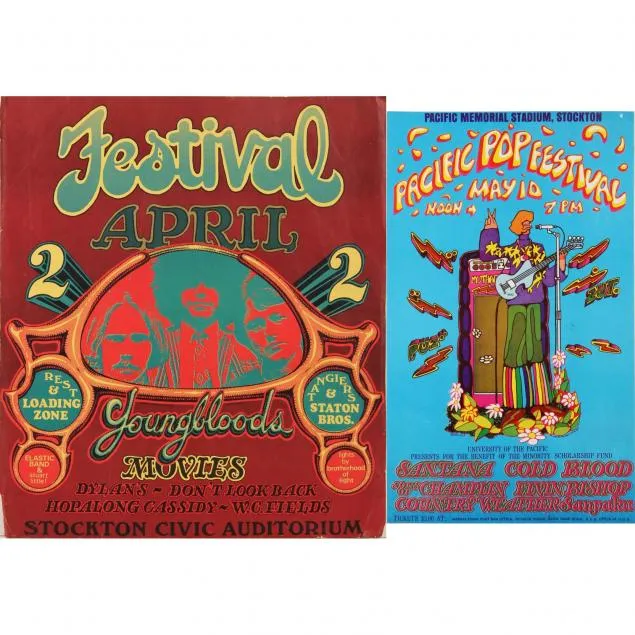
Photo: vintage 1960s psychedelic concert poster collection estate sale, via www.lelandlittle.com
The cardboard is yellowed, the staples are rusted, and the corners smell like somebody's grandmother's closet. To the untrained eye, it's junk. To the picker crouched in a suburban basement in Ohio, it's a paycheck.
Welcome to the quiet, weirdly lucrative world of psychedelic poster picking — the flea market hunters and estate-sale sharks who spend their weekends excavating the counterculture from the attics of America.
The Hunt Starts at 6 A.M.
Ask any serious picker and they'll tell you the same thing: the good stuff surfaces at estate sales, not antique malls. The kids who went to the Fillmore in 1967 and taped the flyers to their dorm walls are — statistically speaking — downsizing now. Their heirs don't know a Mouse Studios original from a gas station reprint, and that's exactly where the opportunity lives.
The economics are simple and kind of stunning. A genuine first-printing concert poster from the San Francisco scene can fetch anywhere from a few hundred bucks to five figures, depending on the band, the venue, and the condition. Even humble handbills — the palm-sized flyers handed out on the sidewalk — have climbed steadily for two decades. Meanwhile, the S&P 500 has had a decent run, but it's never made anyone cry in a parking lot.
Real or Reprint: The Picker's Dilemma
Here's the catch. The reprint business boomed in the 1990s, when head shops sold unauthorized knockoffs by the thousands, and those fakes are now aging into convincing-looking "vintage."
Pickers learn to read paper like a sommelier reads wine. Original silkscreen and offset prints from the era have a specific texture — a slight ink bleed, a telltale flatness under UV light. Reprints often sit on glossy modern stock. The pros carry a loupe, a blacklight, and a healthy dose of paranoia.
"If it looks too clean, walk away," one Michigan-based picker told us. "Sixty-year-old paper has lived a life."
Who's Buying? Everybody, Apparently.
The buyers have changed. A decade ago, it was aging Deadheads filling gaps in collections they started in 1972. Today, the customer base skews younger — twenty- and thirty-somethings decorating apartments and studios with blacklight prints and concert ephemera from an era they never touched.
That generational handoff is the engine of the whole market. Gen Z and millennial buyers aren't just purchasing paper; they're buying a physical artifact from the last time American counterculture felt genuinely dangerous. A poster is a souvenir from a party that never fully ended.
The Ethics of the Flip
Not everyone in the scene loves the pickers. Some collectors grumble that resellers strip artifacts of context — that a flyer for a benefit show at a community hall deserves better than ending up in a shipping box bound for a penthouse.
The best pickers push back, and honestly, they've got a point. Every poster that gets pulled from a damp basement and sold to someone who'll frame it, research it, and care for it is a poster that survives. Attics are not climate-controlled archives. Enthusiasm, it turns out, is a better preservative than neglect.
Getting In Without Getting Burned
If this sounds like your calling, the entry barrier is blessedly low. Hit estate sales early. Learn the major printers and venues — the Fillmore, the Avalon, the Family Dog — and memorize which shows were documented and which weren't. Join the online forums where pickers post finds and field identifications. And start small: a $40 handbill teaches you more than a $4,000 poster ever will.
The pickers we spoke to all said versions of the same thing: this isn't really about money. It's about the moment you peel back a tarp in somebody's garage and catch a flash of fluorescent orange that hasn't seen daylight since Nixon. That's the actual product. The invoice is just a bonus.