Ink You Can Smell: Why Print Is the Last Honest Trip Left
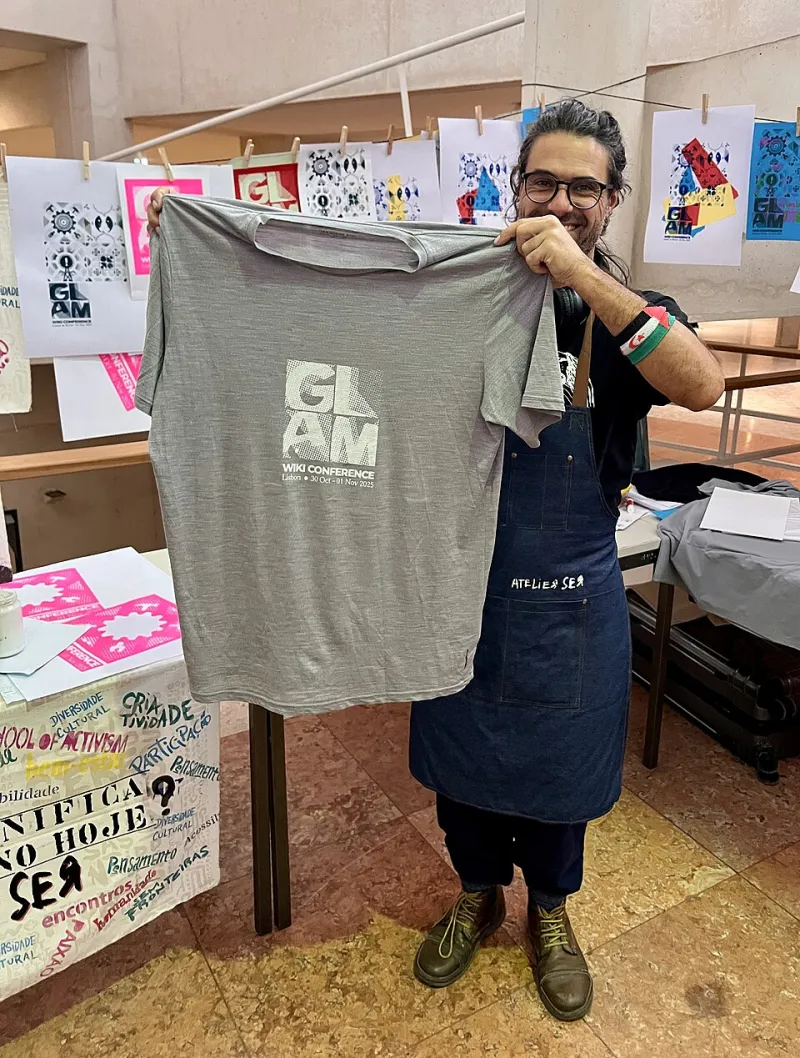
Photo: Mike Dickison, CC BY 4.0, via Wikimedia Commons
Let me say the quiet part loud: your feed is lying to you. Every scroll serves up another flawless, fractalized, algorithm-pleasing "psychedelic" image, generated in seconds, consumed in less. It's beautiful. It's forgettable. It smells like nothing.
Meanwhile, in a garage in Portland, someone is pulling a screen print of a melting skull, misregistering the third color on purpose, and selling all fifty copies in eleven minutes.
That's not nostalgia. That's resistance.
The Case for Imperfection
Print culture has always been psychedelic culture's bloodstream. The Fillmore posters of the 1960s weren't just ads — they were the visual language of a movement, warped type and vibrating complementary colors, designed to be barely legible and impossible to ignore. That language was born in ink, and there's a reason it's returning to ink now.
When anyone with a prompt can generate infinite perfection, the human fingerprint becomes the scarce resource. A risograph zine has grain, misalignment, ink bleed — failures the machine can't fake and the AI can't replicate because they come from physics, not parameters. Collectors have noticed. Original gig posters routinely fetch hundreds, sometimes thousands, of dollars. Limited riso runs sell out on Instagram before the ink dries. People are paying a premium for the flaws. Read that sentence again.
There's also the sticker bomber — psychedelic art's most democratic distribution network. A sticker on a stop sign in Austin or a lamppost in Philadelphia is art with no gatekeeper, no platform cut, no terms of service. It's illegal in the way all good counterculture is slightly illegal, and it reaches people who never asked to be reached.
Three Printmakers Keeping the Faith
You don't have to take my word for it. Look at who's doing the work.
The poster lifer. Every mid-sized American city has one — the screen printer who's been doing band posters for two decades, working out of a converted garage, mixing custom ink colors by eye. They're not on Etsy. They sell at the merch table, and the line is always longer than the one for vinyl.
The riso evangelist. Risograph duplicators — clunky Japanese office machines from the '80s — have become the darling of zine makers because they force constraint: limited colors, limited registration, endless texture. Young printmakers across the US are running cooperative riso studios out of warehouses in Chicago, Oakland, and Asheville, publishing psychedelic zines in editions of 100 that get traded like baseball cards.
The sticker evangelist. Less a person than a practice: artists printing runs of die-cut visions and distributing them through sticker packs, skate shops, and shows. Their gallery is the whole city. Their provenance is a photo someone took before the city power-washed it.
Buy the Thing You Can Hold
Here's my pitch, and I'll keep it short. If you love this aesthetic, buy the physical object. The poster with the printer's chop mark. The zine with the ink that transfers onto your fingers. The sticker you'll never actually stick because you can't commit. Digital images are infinite and therefore worth almost nothing. Print is finite, fragile, and alive.
The trip you can smell — that's the one worth collecting.