Your Mom Bought a Mushroom Lamp: Tracking the Spore-to-Suburb Takeover
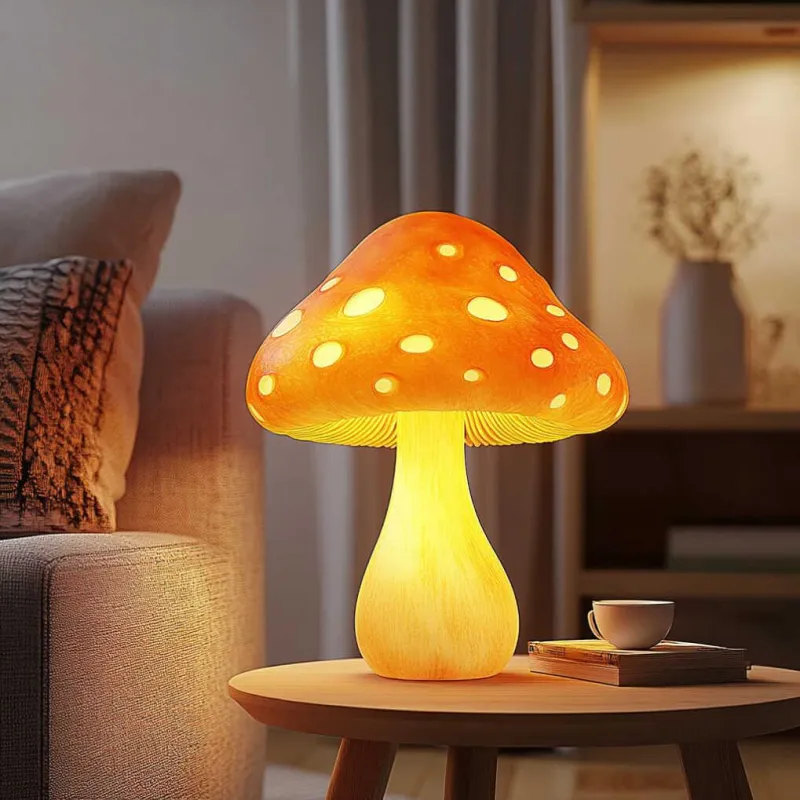
Photo: mushroom shaped glass lamp glowing home decor interior, via www.homedecorfull.com
Somewhere in a suburb of Kansas City, there's a mortgage-paying, minivan-driving parent whose living room now features a glass mushroom lamp that glows purple at dusk. They have no interest in psychedelics. They just think it's cozy.
That person is the endgame of a twenty-year cultural migration, and honestly? It's been wild to watch.
How the Mushroom Got Domesticated
The mushroom's counterculture credentials are unimpeachable — it was the symbol you'd find on a blacklight poster in 1971, right next to the wizard and the spaceship. For decades it stayed in its lane: head shops, festival merch, the occasional dorm tapestry.
Then three forces collided. First, the wellness industrial complex discovered mycology — adaptogenic mushrooms, functional mushroom coffee, the whole aisle at Whole Foods. Second, cottagecore hit the mainstream during the pandemic, and suddenly forests, foraging, and fungi signified comfort instead of contraband. Third, psychedelic decriminalization made the topic dinner-party safe in ways it hadn't been since, well, ever.
The result: the mushroom got laundered into mainstream decor. What was once a wink-and-nudge symbol became a neutral motif your aunt puts on a throw pillow.
The Trend Report: What's Actually Selling
Here's the current landscape, ranked roughly by how far it's traveled from the head shop to the craft store:
- Mushroom lamps. The gateway drug of mycology decor. Glass, ceramic, or resin dome lamps that cast a colored glow — everywhere from Etsy to West Elm's lighting section. The good ones are hand-blown; the bad ones are mass-produced and still kind of charming.
- Spore-print art. Actual spore prints — the papery spatter a mushroom cap leaves on paper — framed and sold as botanical art. Legit, gorgeous, and each one genuinely unique. Collectors, start here.
- Cottagecore-psychedelic hybrids. Embroidered mushrooms on linen, watercolor fungi on tea towels, the softer, pastel-ified cousin of the original aesthetic. Sold in every craft fair from Burlington to Bend.
- Vintage revival pieces. The real prize: authentic '60s and '70s mushroom ceramics, canisters, and blacklight originals, now hunted hard by Gen Z thrifters. Prices on 1970s mushroom cookie jars have genuinely gotten out of hand.
- Ceramic studio pottery. Independent potters making sculptural mushroom pieces — the high end of the trend, where the motif meets actual craft.
Where It Goes From Here
Trends like this don't die; they metabolize. The mass-market mushroom lamp will be at the thrift store by 2028, which — let's be honest — is exactly where its vintage cousins came from in the first place. The cycle completes.
But the interesting residue is this: middle America now has a mushroom in its living room, and it's not a huge leap from the decorative kind to curiosity about the real thing. Mycology clubs are booming, foraging apps are trending, and every mushroom-themed candle is a soft on-ramp to the culture that created the symbol in the first place.
So buy the lamp. Buy the spore print. But know your history: that cozy little fungus on your end table spent fifty years as the flag of a counterculture, and it's still holding the door open behind it.